
Restocking hunting grounds
Restocking game for sale
Partridges, pheasants, wild rabbits, hares and mallards bred for release: hardy, vaccinated and acclimatised birds and animals, delivered alive to your ground. Volume discounts, quotations for hunting associations and shooting syndicates.
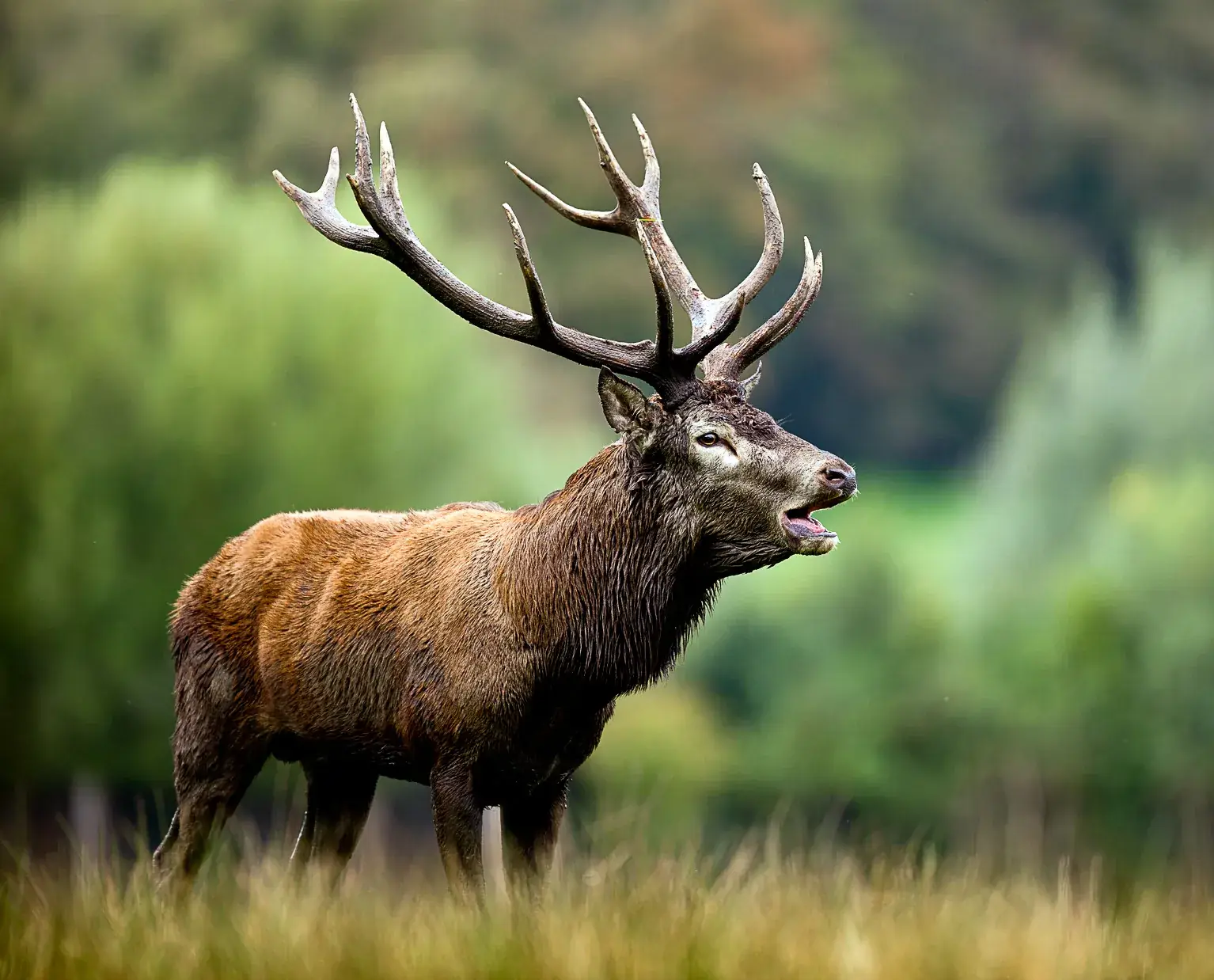
What is restocking game?
Restocking game refers to farm-reared animals released on a hunting ground to rebuild or reinforce a wild population. Unlike put-and-take game, released shortly before the season opens, restocking game is released several weeks to several months in advance so that it acclimatises, breeds and settles for the long term. Success rests on three factors: the genetic quality and hardiness of the stock, the timing of the release, and the management of the ground that receives it.
Early release
6 to 12 weeks before the opening of the season for small feathered game, so that the birds revert to the wild and find their bearings.
Hardy birds
Rearing in large planted aviaries, flushing with pointing dogs, natural feeding: birds that fly high and run from predators.
Health traceability
Holding no. 38001, veterinary, health and environmental approvals. Health certificate supplied with every delivery.
Who is restocking game for?
We supply the bodies that manage a hunting ground: ACCA and AICA municipal hunting associations, communal shooting syndicates, private shoots and estates, GIC (game management groups), departmental hunters' federations, as well as private owners of a hunting ground. Each has its own constraints in terms of volume, timing and budget — we adapt the batches and the delivery schedule accordingly.
Hunting associations, joint associations and hunting clubs
Batches grouped by species, delivery to the ground, staggered deliveries across the season to spread costs and space out releases.
Private shoots and estates
Large volumes, selected strains including FAISAN PUR CHASSE®, annual planning with advance booking.
Game management groups and federations
Supply for management schemes at the scale of a whole massif or department: ringed stock, full traceability, provenance records.
Private landowners
Sales to private buyers are possible subject to the regulations applicable in your department. Release and habitat advice included.
Which species for which ground?
Every species has its own habitat requirements. The right choice determines the recovery rate far more than the number released. For pheasant, our exclusive strain has its own dedicated page: FAISAN PUR CHASSE®.
Red-legged partridge
Dry hillsides, scrubland, cereal plains of southern and central France. A sedentary species, ideal for spring restocking in pairs or coveys.
Grey partridge
Arable plains of northern and eastern France, on cool soils. Pure French strain, very well suited to open fields.
PUR CHASSE® pheasant
Woodland, woodland edges, hedgerows and cover. Our exclusive strain, bred naturally in a one-hectare aviary, renowned for its explosive flush.
European wild rabbit
Light, free-draining soils, banks and artificial warrens. Stock vaccinated against VHD and myxomatosis, to be released into prepared warrens.
Lièvre
Open plains and mixed farmland. Hares from France and central Europe, tested for brucellosis and tularaemia, released via a pre-release pen.
Mallard duck
Ponds, marshes and lakes. Flying birds, to be released gradually to hold the population on the water.
Prices and quotations
Starting prices by species are summarised in the table below; the full breakdown of prices by age and strain appears on each species page: pheasant poults, red-legged and grey partridges, wild rabbits, hares and mallard ducks. Prices fall with volume, and we issue quotations for grouped batches for hunting associations and shooting syndicates, with the option of staggering deliveries across the season.
Starting prices shown
One line per species below, at genuine catalogue prices. No hidden charges: the breakdown by age is on the species pages.
Volume discounts
The larger the batch, the lower the price per head. The quotation states the exact price according to quantities and species.
Quotes for associations and hunting clubs
Grouped multi-species batches, delivery to the ground and releases staggered across the season. Ask for your quotation.
The restocking calendar
European season openings run from mid-August (Greece) to 1 October (Romania, Germany), with France generally opening between 6 and 20 September depending on the department. Orders are planned well ahead: our availability by age is set out in the catalogue.
February–April: breeding stock
Making up breeding pairs and coveys, hatching eggs. This is also the season for spring partridge releases.
June–August: restocking
The heart of the season. Birds of 8 to 16 weeks to be released for acclimatisation before the opening.
September–January: hunting season
Adult stock ready to shoot, mid-season top-ups and game for dog training.
The game year, month by month
From one year to the next, operations always follow the same order: breeding and laying in spring, ordering from winter to early summer, acclimatisation releases in summer, and the shooting season from September to January. The table below sets out this annual cycle month by month — it scrolls horizontally on a phone. To plan your exact dates, everything is detailed in our guide to achieving a successful release.
| Operation | Jan | Feb | Mar | Apr | May | Jun | Jul | Aug | Sep | Oct | Nov | Dec |
|---|---|---|---|---|---|---|---|---|---|---|---|---|
| Breeding / laying | ● | ● | ● | ● | ● | |||||||
| Ordering | ● | ● | ● | ● | ● | ● | ● | |||||
| Restocking release | P | P | P | ● | ● | ● | ||||||
| Shooting season | ● | ● | ● | ● | ● |
● peak period for the operation · P = spring partridge releases (pairs and coveys). Small game shooting season: exact dates are set each year by prefectoral order, generally from September to January depending on the department.
A successful release: techniques and densities
A successful release is prepared before the animals arrive. The points below sum up what we have been advising our customers for three generations.
Pre-release enclosures
Provide aviaries or acclimatisation pens on the ground: the animals get their bearings there for a few days before being freed.
Cover and feeding stations
Game cover crops, hedgerows, fallow land and feeding points provide the food and shelter that populations need to hold.
Water points
Access to water within 200 metres, particularly in summer and for mallard releases.
Predator control
Predation pressure brought under control before the release radically changes the recovery rate.
Sensible densities
It is better to release fewer animals onto a well-managed ground than a great many onto unsuitable habitat.
Réglementation
Game releases are regulated (permitted species, periods, provenance). Check with your departmental hunters' federation.
Season 2026 Pricing
2026-2027 hunting season — prices current as of August 2026
Starting prices by species — restocking
Frequently Asked Questions
What is restocking game?
How much does restocking game cost?
Do you offer special rates for hunting associations?
When should restocking game be ordered?
How many animals should be released per hectare?
Is authorisation required to release game?
Do you deliver restocking game to the hunting ground?
What is the difference between restocking game and put-and-take game?
When should young partridges and pheasant poults be released?
What is a pre-release pen and why install one?
How can the recovery rate of a release be improved?
See also
Plan your 2026 restocking
Let's talk about your ground, your objectives and the species that suit it. Free quotation for grouped batches and hunting associations, volume discounts, release advice and a delivery schedule.